Godziny otwarciaZamknięte
|Niedziela, Wrzesień 13, 2026Ayasofya Meydanı, Sultanahmet, Fatih, 34122 Istanbul, Türkiye
Wróć do history
tombs
Hagia Sophia Tombs – Selim II, Murad III, Mehmed III, Princes, Mustafa I & Ibrahim
Plan a respectful visit to the tombs at Hagia Sophia with context, highlights, and image cues to recognize each mausoleum.
12/10/2025
18 min read
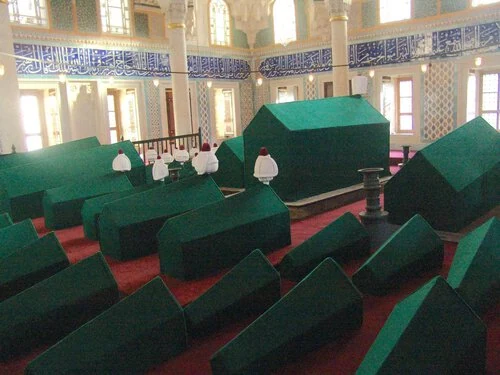
In the small courtyard by Hagia Sophia’s southeast corner rest five Ottoman sultans and members of their families. Dress modestly, remove your shoes at the threshold, and keep voices low — these are sacred spaces.
Orientation & Etiquette
- The tombs cluster outside the southeast corner. Follow signs from the main complex. Entry is typically included with the site precinct; hours may vary.
- Before you step inside: shoes off, shoulders and knees covered, and avoid flash.
Tomb of Selim II (d. 1574)
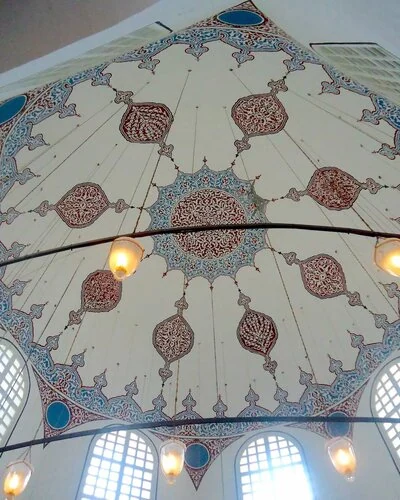
- Designed by Mimar Sinan and completed in 1577, it’s among Istanbul’s most beautiful mausolea.
- Inside you’ll see exquisite tiles, a luminous dome, and many princely sarcophagi (including children executed upon succession).
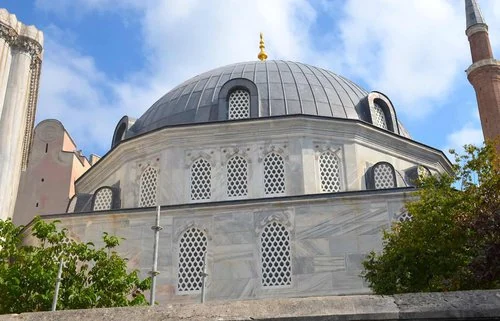
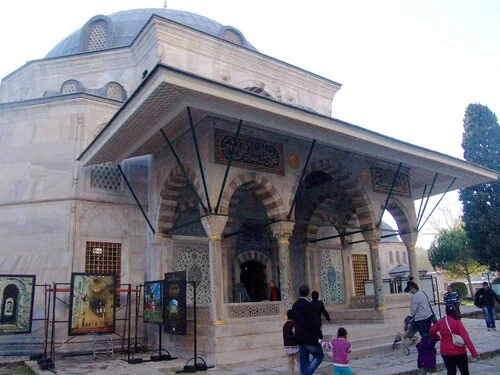
Tomb of Murad III (d. 1595)
- Attributed to architects Davud Ağa and Dalgıç Ahmed Ağa. The interior once brimmed with rich textiles and lamps.
- Look for the poignant child burials — tiny sarcophagi lining the floor — alongside the sarcophagus of Safiye Sultan and other family members.
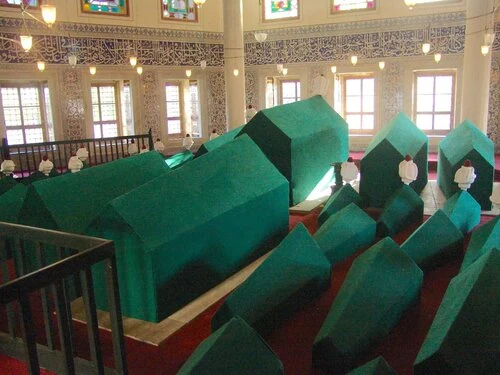
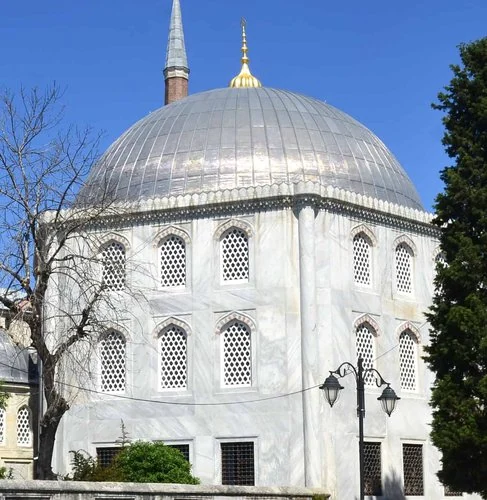
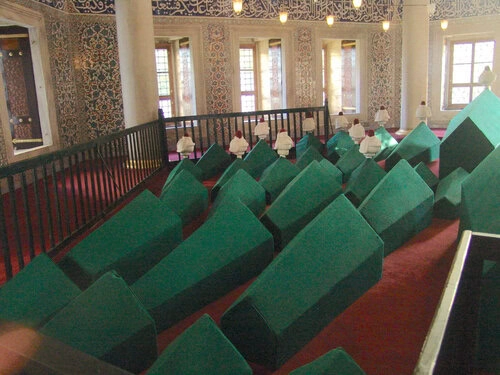
Tomb of Mehmed III (d. 1603)
- Built by Dalgıç Ahmed Ağa. History remembers Mehmed III for a brutal consolidation of power; here you’ll find a calmer, contemplative space.
- Note the tile panels and the marked sarcophagus of the sultan.
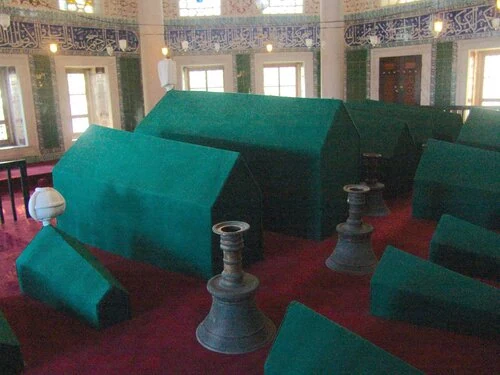
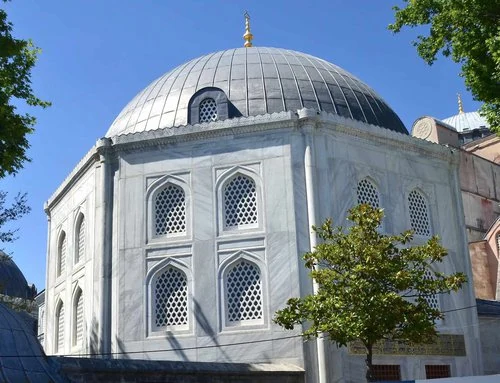
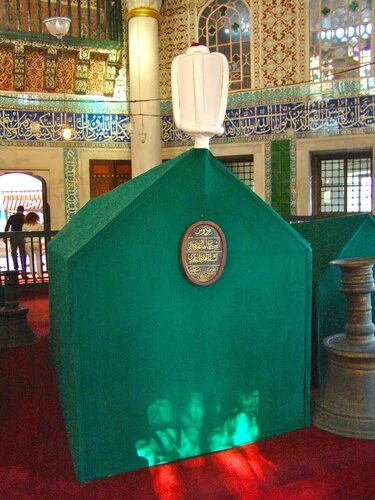
Tomb of Princes (Şehzadeler Türbesi)
- A smaller, plainer building traditionally linked to Murad III’s children who died young, likely of plague.
- Appreciate the restrained interior and the solemn rhythm of the sarcophagi.
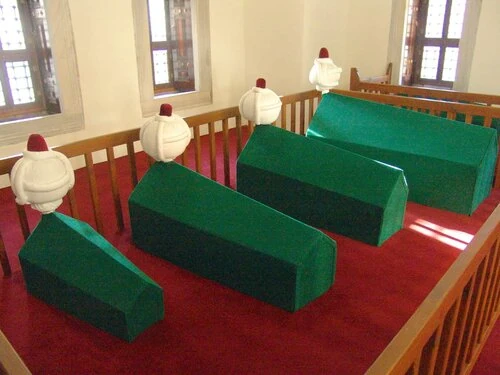
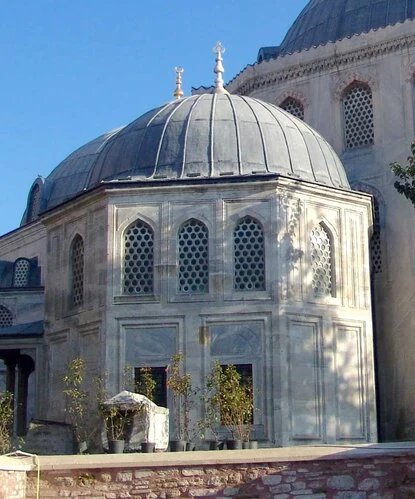
Former Baptistry: Tomb of Mustafa I (d. 1639) and Ibrahim (d. 1648)
- Originally a Byzantine baptistry, later an oil store, and finally the resting place of Mustafa I and Ibrahim — sultans whose troubled reigns earned the epithet “the Mad”.
- Look up: the dome and drum have a distinct profile; plaques list additional burials including Kaya Sultan and members of the court.
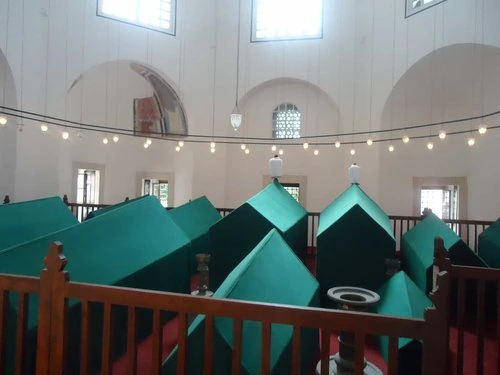
Practical Notes
- Lighting shifts quickly; mid‑morning is a good balance for interior photos. Keep your visit brief if worshippers arrive.
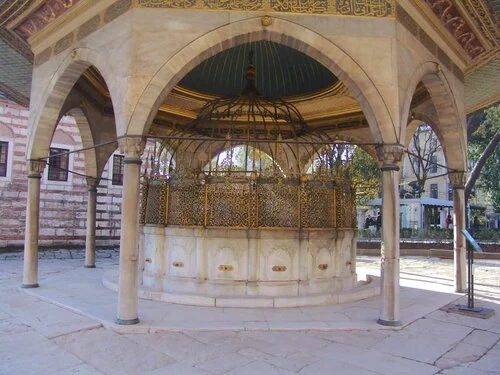
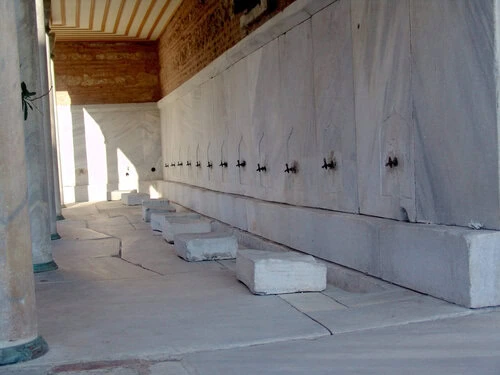
- Combine the tombs with a pass by the Fountain of Mahmud I and the ablution fountain to round out the Ottoman layers around Hagia Sophia.
Bottom Line
These tombs gather centuries of Ottoman memory beside a Byzantine masterpiece. Move slowly, observe the details, and let the stories surface one space at a time.
O autorze

Hagia Sophia Guide
Przygotowałem(am) to, by pomóc Ci spotkać Hagię Sophię w spokoju, z kontekstem i troską—by wielkie idee, ciche modlitwy i lśniący kamień mówiły jasno.
Tags
tombs
Ottoman sultans
Selim II
Murad III
Mehmed III
Mustafa I
Ibrahim I
Comments (0)
Leave a Comment
Loading comments...